
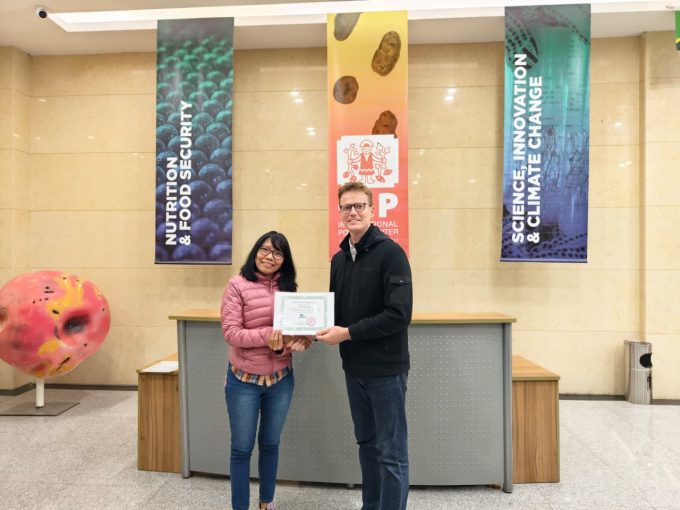
Universitas Gadjah Mada continues to strengthen its contribution to regional and international plant pathology research through active participation in global scientific initiatives. Prof. Ani Widiastuti, S.P., M.P., Ph.D., a lecturer in the Master of Phytopathology Program, Universitas Gadjah Mada, took part in the Asia Blight Training on Molecular-Based Mating Type and Fungicide Sensitivity of Phytophthora infestans, held in Yanqing, Beijing, from 30 October to 3 November 2025.
The training program brought together 14 regional representatives from 14 Asian countries, including Indonesia, Iran, Iraq, Kyrgyzstan, the Philippines, Thailand, India, China, Nepal, Bangladesh, Vietnam, Pakistan, and Laos. This diverse participation created a collaborative platform for researchers to exchange knowledge, share regional experiences, and strengthen scientific networks in addressing late blight disease, one of the most destructive plant diseases affecting major food crops worldwide.
The training was organized under the AsiaBlight network, a regional research community dedicated to advancing the study of Phytophthora infestans in Asia. The program focused on enhancing participants’ technical capacity in molecular-based approaches, particularly in determining pathogen mating types and assessing fungicide sensitivity. These techniques are essential for understanding pathogen population structure, monitoring resistance development, and designing effective, evidence-based disease management strategies.
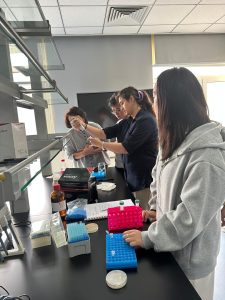
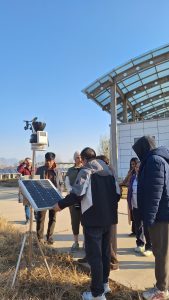
Throughout the training, participants engaged in intensive lectures, laboratory-based practical sessions, and technical discussions led by experts in late blight research. The program emphasized the importance of integrating molecular diagnostics with field-based disease monitoring to support sustainable and region-specific management of late blight. By strengthening technical skills and harmonizing research approaches across countries, the training aimed to improve regional preparedness and response to evolving pathogen challenges.
AsiaBlight plays a vital role in fostering collaboration among scientists working on late blight in Asia by promoting data sharing, joint research initiatives, and capacity building. Participation in this training reflects Universitas Gadjah Mada’s ongoing commitment to contributing to international scientific collaboration, advancing innovation in plant pathology, and supporting sustainable agricultural development in the region.
Through involvement in programs such as the AsiaBlight Training 2025, UGM continues to reinforce its role as an active contributor to global plant protection research, while empowering its academic staff to bring cutting-edge knowledge and expertise back to teaching, research, and community engagement.
Author: Anisa Putri